
Sonia Henry summer cookbook recipe: Borsch
With the right mix of ingredients, borsch is a tangy but sweet and belly warming mouthful of delight.
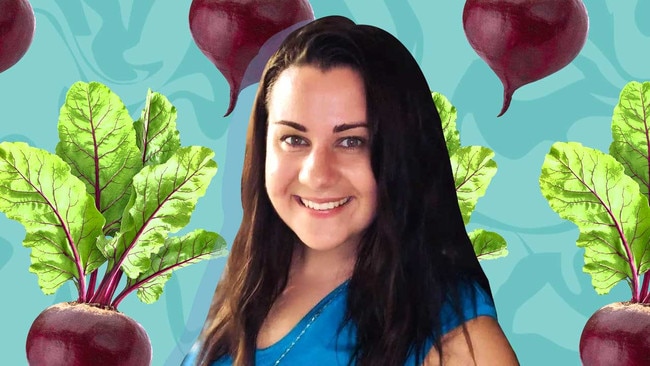
Every day this summer, we’ll publish an exclusive recipe from a favourite Australian author, dishes made with affection for family, friends or someone special.
-
Growing up on the NSW south coast, doing Nippers and all the other things that come with your typical Aussie childhood, Christmas was traditionally a time for prawns, barbecues, and visits to the beach. However, like many Australians of mixed heritage, for me it was also the night before, European Christmas Eve.
Some Ukrainians celebrate the Orthodox Church Christmas, on January 7, but we always did Christmas Eve.
On the face of it, borsch doesn’t sound that appetising – beetroot soup isn’t exactly tiger prawns and champagne, but it’s actually delicious. With the right mix of ingredients (provided here in my grandmother’s recipe, now faithfully reproduced by my mother) it’s a tangy but sweet and belly warming mouthful of delight.
SUMMER COOKBOOK: THE WAY TO THE HEART
Minestrone (Mum’s vegetable soup)

Tuna with pasta

Made-in-Minutes Goan Prawn Curry with Spinach
I love curries and this one is simple, with lots of flavour and a wonderful, creamy, coconut base.
Monster mash
Slow-cooked rabbit

Sri Lankan omelette

My Humble Pie is the greatest to exit an oven

Raspberry and elderflower trifle
A roast chicken comfort dish

Beef keema

Triple ginger bar cake

Peter Craven’s Duck a l’orange

Selvie’s chicken curry with curry leaves

Ice cream with caramel and cherries
Lamb scrag end neck chops stew
Creme brulee with candied rhubarb
Borsch for the busy person

Virginia Woolf Brittle

Wakame beurre blanc
Lemon Chicken
Crispy Latkes

Lamb Moussaka Therapy
Odd couple share recipe for great summer reading
Summer Cookbook
Australia’s favourite authors share their most meaningful recipes.
It is always the first thing we eat, so we also know it heralds the next lot of Ukrainian delicacies – perohi, known sometimes as pyrogi, holobchi, and other hearty warm meals – probably more appropriate for an Eastern European winter than summer in Australia!
Borsch is only a soup, but in the same way that food is always more than just a meal, it represents the beginning of festivities, the acknowledgment of heritage, and the symbol of everything my grandparents went through to eventually lead me to celebrating a happy, warm and safe Australian Christmas on the south coast of NSW, where my grandfather was a large animal vet serving rural farms, far away from the country of their birth.
It is also the bringing together of family, both Australian and Ukrainian, and all the joy (and traditional arguments!) that can come with that.
UNESCO has recently recognised borsch as an endangered piece of Ukrainian national heritage, something that has taken on far more significance as missiles pound Ukraine this Christmas, leaving millions of people without heating, water, or life. This is a tragedy, but the courage of the Ukrainian people only makes me more proud to be half Ukrainian.
Borsch for Ukrainian people is much more than a warm soup designed to bring family together around the table. It has also become a display of national defiance, and the linking of the Ukrainian diaspora around the globe, regardless of whether you sit in Kyiv, Toronto, London, or my parents’ home near Kiama.
I hope you enjoy this family recipe.
Slava Ukraini!

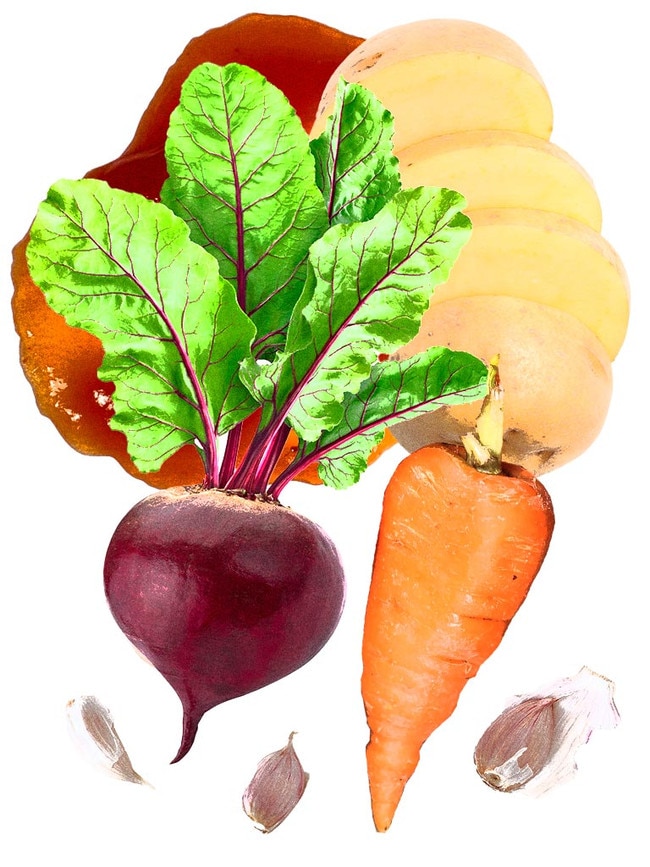
2 big beetroots
4 carrots and 1 potato
2 smallish onions and 2 garlic cloves
1½ cubes vegie stock
2 x 400g cans diced tomatoes
Carton Leggo’s tomato paste and water
1. Fry onion and garlic with olive oil.
2. Add shredded veges and the cube, dissolved in water, then the can of crushed tomatoes and carton of tomato paste.
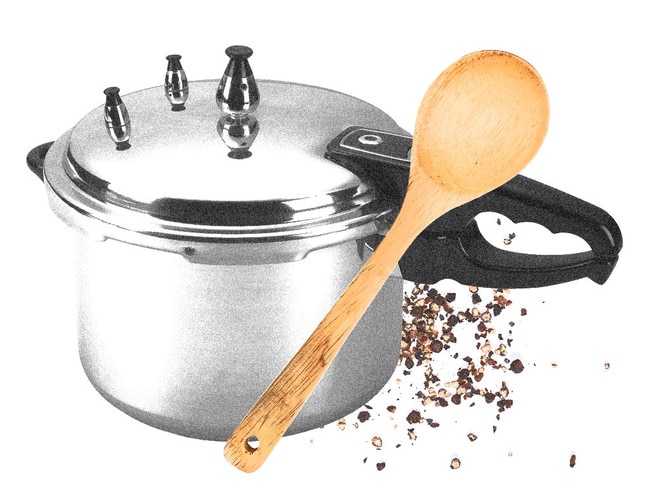
3. Stir and pressure cook for around 10 mins.
4. When cool add lemon juice and sliced dill (cut with scissors so it’s sprinkled over borsch).
5. Taste mixture before adding lemon juice and pepper (it should be tart) and serve with dollop natural yoghurt (or sour cream), with more vegetables and vegetable cubes depending the number to be served.
Disclaimer: This is “borsch for busy people”, as my mum says. My Ukrainian uncle has said the traditional, more complex, clear borsch recipe is more officially Ukrainian.
-
Sonia Henry is a GP with a special interest in Indigenous health and remote and regional Australia. Her article about the stress of medical training was shared more than 22,000 times and republished around the world, starting a conversation that her first novel, Going Under, sought to continue. Her second book, Put Your Feet in the Dirt, Girl, inspired by her work in remote and regional Australia, will be out in June.
Going Under by Sonia Henry, Allen & Unwin
To join the conversation, please log in. Don't have an account? Register
Join the conversation, you are commenting as Logout