
‘A Big Year’: rural generalists boosted by two new GP-obs appointments
The appointments of two general practitioner obstetricians in Tasmania has capped off a significant year for rural generalists according to prominent rural doctor Sally Street.
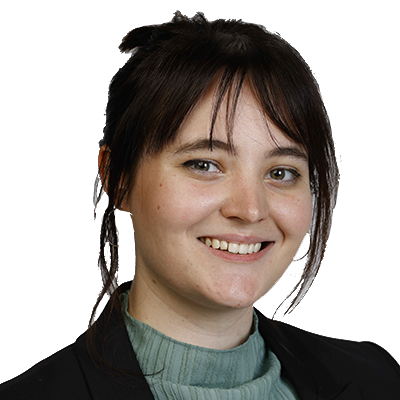

General practitioner obstetricians are being taken employed by the Tasmania Health Service in what is being hailed a significant development for rural generalists in the state.
It’s understood two general practitioner obstetricians have started working in the birthing teams at two public Tasmanian hospitals this week – Launceston General Hospital and the North West Regional Hospital.
Dr Sally Street, a rural generalist formerly based in Tasmania and Australian College of Rural and Remote Medicine (ACRRM) lead clinical educator has been a vocal advocate for the rural generalist model of care as a means of relieving the state’s embattled health system.
She said the benefits of the appointments were twofold.
“Evidence shows that continuity of care during pregnancy, birthing, and afterwards is what gets the best possible outcomes for mums and babies,” Dr Street said.
“These new roles also mean that these clinicians can remain in their local region, maintain their procedural skills … which is a win for workforce retention and family stability.”
The appointments were particularly significant given maternity services were among the hardest to bring GP obstetricians into compared to other departments or specialties, she said.
“In watching other states who have made this change, getting the GP obstetricians into the maternity space has been the biggest and hardest step,” Dr Street said.
“I commend the Tasmanian health leaders who have led with this courage, and I really hope this encourages other leaders to find ways to include generalists in their own departments.”
Rural generalists are GPs who not only provide primary care but also emergency medicine, and often have training in additional skills including obstetrics, anaesthetics and mental health.
A rule preventing them from working in Tasmanian hospitals and primary care settings was in place until this year.

It has since been overturned due to lobbying from the rural medicine sector, with Dr Street having made a direct appeal on the subject to the Tasmanian state government during the 2024 Mercury Bush Summit.
State Health Minister Bridget Archer said the implementation of the rural generalist model of care was an important part of the state’s long-term healthcare plan.
She confirmed recruitment efforts – including for four rural generalists with additional emergency medicine skills in the North West – were ongoing.
“Rural generalists are already employed in Tasmanian hospitals and are a highly valued part of our health workforce,” she said.
“Ongoing work is continuing to create new opportunities for rural generalists to work in the Tasmanian public hospital system, once they have completed the appropriate training.
“We will also explore other ways rural generalists can add value by working in Tasmanian community and hospital services, while expanding the model to other parts of the state.”
It comes amid rolling industrial action from the state’s health sector which workers attribute to unsustainable working conditions and inequitable wages.
Despite this, Dr Street said 25 years of advocacy had resulted in a “really big year” of positive developments for rural generalists.
She cited the federal government’s decision to recognise rural medicine as a branch of general practice, and the introduction of the ACRRM $50,000 grants to support initiatives to address doctor shortages in rural communities – one of which was recently taken up by the Huon Valley Council.
“Up until now the general thought has been we are GPs, and of course the general practice component is a really important part of our overall skill set, but we’ve also done that additional training,” she said.
“We‘ve spent extra years and time doing this training to give us those skills which weren’t formally recognised, but now they are (being recognised).
“The only way is up.”
More Coverage


Originally published as ‘A Big Year’: rural generalists boosted by two new GP-obs appointments

A $7.8m question: What’s planned for Mt Field?
