
Three Tasmanian doctors recognised in national rural generalist awards
Award-winning rural doctor Sally Street has called for Tasmania to seize an ‘amazing opportunity’ to reform healthcare delivery in country areas. She’s one of three Tasmanian doctors being recognised at a national ceremony.
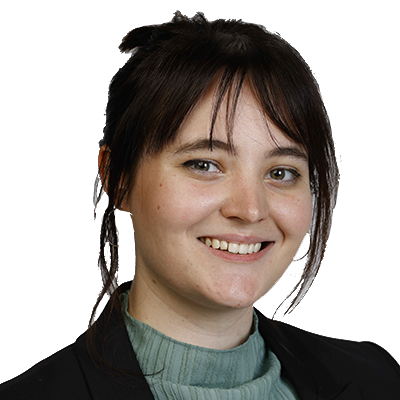

A prominent rural generalist recently named the nation’s best has leveraged her award to call for greater ‘vision and commitment’ in implementing the rural generalist model of care in Tasmania.
Rural generalist obstetrician Sally Street was named the Australian College of Rural and Remote Medicine’s Rural Generalist of the Year at their annual awards ceremony last week.
Dr Street, who recently took up a new position dividing her time between Roma, in rural Queensland and East Arnhem Land said the award was recognition not only of her work, but for her field as a whole.
“(This award) pushes rural generalism forward,” Dr Street said.
“It tells our communities that their care matters and they deserve the very best.”

Dr Street studied medicine in South Australia, spending time each year working in a small community in the Barossa Valley before moving to Tasmania to assume the role of ACRRM’s Director of Rural Generalist Training in 2022.
She has since becoming a vocal advocate for the recognition of rural generalism, playing a key role in Premier Jeremy Rockliff’s decision to overturn a rule blocking them from practising in Tasmanian hospitals.
But she warned without action Tasmania risked losing an “amazing” opportunity to improve “systems, services and communities”.
“People are still debating whether the state wants rural generalists but the Premier’s already answered to that,” she said.
“I think the real question now is what should rural generalism look like in Tasmania?
“I’d love to see all stakeholders coming together to define that vision and commit to it going forward.”
Dr Street was one of three Tasmanian doctors recognised in the national awards, with Peter Arvier named Medical Educator of the Year and David Owusu Sekyere state registrar of the year.


Dr Arvier, who has been based between Devonport and Penguin for the last 25 years, said the North West region was the kind that would benefit from the rural generalist model.
“It is a well-established model both interstate and internationally that has been known to improve the medical care of rural populations and smaller communities,” he said.
“Tasmania unfortunately has not gone down that track and the reasons aren’t entirely clear.
“I’d like to see the state government get their act together.”
Dr Arvier said despite the challenges Tasmania faces – namely, the shortage of resources and rural generalist positions despite available training opportunities – it was a “highly rewarding” path.
Dr Sekyere, who works between Dover Medical Centre and the Royal Hobart Hospital’s Emergency Department echoed the sentiment.
“It is a challenge stretching your mind between the two settings,” he said.
“But I speak for many wonderful doctors in saying we are doing our best.”
Dr Sekyere said he had seen staffing improvements since his arrival in Tasmania in 2022, partly due to the quality of training available in the state.
“I find Tasmania to be one of the most unique places to train,” he said.
“It’s not too big so you are able to work in a regional place and still receive quality training, mentorship and expertise.”


Hobart’s rapid transit plan is off to a slow start
