
Gene editing could bring frost-resistant crops to the paddock by 2030
Gene editing could deliver frost, heat and drought-tolerant crops to Australian farmers by 2030, helping growers combat climate challenges and rising input costs.
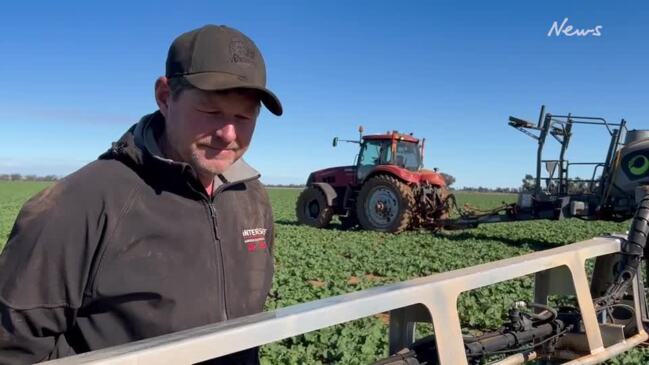
Gene editing could deliver frost, heat and drought-tolerant crops for Australian farmers within five to seven years as demand grows for tougher, more profitable varieties amid mounting climate and cost pressures.
Dr Peter Beetham, an Australian who is now heading a US-based genetics company, Cibus, has spent decades developing gene-editing tools for wheat, canola, and rice.
He said rising input costs and the constant pressure from seasonal conditions mean that gene editing has a role to play in delivering resilient and climate-ready crops.
Gene-edited canola and rice could be trialled in Australia as early as 2028, with the first resilient crop traits potentially commercially available to farmers by 2030 or 2031.

Victorian Farmers Federation grains group chairman Ryan Milgate said given the costs of inputs any breeding improvements were useful to farmers.
“The industry has really been struggling with both heat and frost tolerance,” he said.
Mr Milgate said frost tolerance would nearly be at the top of the agenda as a game changer for the southern grain growing areas.
“We need to take that next quantum leap,” he said.
“Margins are getting particularly tight, and that is something that would make a difference.”

Banyena farmer Chris Drum agreed that frost was one of the biggest fears for growers each year.
“Frost can wipe out an entire crop late in the season, and this is after farmers have invested heavily in inputs, making it an unknown and a risk that they urgently need help managing,” he said.
Mr Drum said farmers were doing a good job growing crops in low rainfall areas, but frost continued to be the unknown.

Dr Beetham said gene editing offered the potential to create crops with precisely the targeted traits, such as frost resistance and heat tolerance, that traditional breeding struggled to deliver quickly.
“These resilient traits are increasingly important as farmers battle unpredictable seasons and rising costs,” he said.
Gene-edited crops also promise to reduce reliance on herbicides and fungicides by improving crop resilience and nutrient uptake, thereby helping to lower costs amid rising pressures.
He said gene editing could speed up the process by making small natural DNA changes without introducing foreign genes.


