
Can you really run off last night's rosé?
The hangxiety is real

In this article
How exercise determines your alcohol tolerance
Reduce your risk of alcohol-related cancer
The 'hangover' explained
If your workouts are fuelled by a desire to offset the vino, then you need to read this.
Are you planning to do something active today? A quick cycle perhaps, or a game of tennis? And will it be at the back of your mind, as you feel the burn, that you’ll have really earned that glass of riesling afterwards? Or maybe you’ve already had a few beers, so woke up early to pound the pavements and ‘sweat off’ a hangover.
If so, you’re not alone. Studies have found that those who exercise regularly are more partial to alcohol – and vice versa.
That might seem counterintuitive, but research in the Medicine & Science in Sports & Exercise journal found that the aerobically fit were more than twice as likely to be moderate or heavy drinkers compared to the out-of-shape. What’s more, a study by Pennsylvania State University found that on the days adults exercised most, they tended to drink the most afterwards, while further research found people who imbibed at least one alcoholic drink a day were twice as likely to exercise regularly as those who didn’t partake at all.
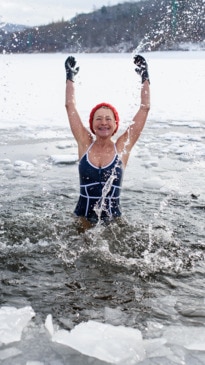
For decades, I was a committed ‘drink-erciser’. My fitness fanaticism was partly fuelled by a desire to offset alcohol damage – the more brutal my hangover, the heavier those weighted squats the next morning. Exercise didn’t just help to alleviate my drinking guilt. It switched my brain off in the same way sauvignon blanc did and provided a similar buzz. Like alcohol, exercise offered stress relief. Combine the two and I was on the ultimate endorphin high.
“There is a massive correlation between exercising and drinking in our culture,” agrees William Porter, author of Alcohol Explained. “I used to get horribly drunk then get up and train.” Those who are fitter can tolerate more alcohol, he found. “Alcohol is more quickly absorbed by muscle tissue, which is 75 per cent water, than fat, which is only 10 per cent water. Being physically strong allows you to drink more.”

But can fitness really mitigate the damage of a known carcinogen the World Health Organization has linked to 200 diseases? First, the good news. Research published in the British Journal of Sports Medicine found moderate drinkers who did two and a half hours of exercise a week could negate the risk of dying from alcohol-related cancer and reduce their chances of keeling over from any cause.
There may have been other unidentified factors that reduced exercisers’ risk of cancer in this observational study, which monitored 36,370 men and women over the age of 40 for eight years. But perhaps we shouldn’t be surprised. While alcohol has been shown to cause cancer by increasing inflammation in the body, exercise is known to reduce it.
Now for the reality check: “We’re fooling ourselves” if we view exercise as a silver bullet to justify that extra bottle, says personal trainer, Kate Rowe-Ham. “When we exercise on a hangover, we aren’t giving our bodies the best chance of making any progress, even if our minds try to convince us otherwise.”
Sure, exercise might mitigate our risk of developing cancer, but it would be lower still if we didn’t drink at all, while the idea we can “sweat out” a hangover is a myth.

But what about the infamous hangover headache? It’s caused by dehydration, because alcohol makes the kidneys produce more urine. Sweating during exercise dehydrates the body further, increasing risk of injuries such as cramps and muscle strains. “A hangover is part chemical imbalance, part tiredness. Neither would be helped by sweating,” adds Porter.
As for me? I gave up drinking last January, aged 43, and while I’m still susceptible to injury, I feel stronger with more stamina. So while I won’t be celebrating the end of my Saturday workout with a bottle of wine, nor will I be suffering ‘hangxiety’ by the end of the weekend. A healthy high is more than enough.
More Coverage


Originally published as Can you really run off last night's rosé?

