
‘Jail won’t solve problem’ for a Roebourne blighted by abuse
In this small town in the Pilbara on the outskirts of a mining hub, pedophilia is so rampant not even jail will stop it.


Child sex abuse is so “normal” in and around the small Pilbara town of Roebourne that even jailing known pedophiles is not enough to end it, according to West Australian Child Protection Minister Simone McGurk.
Ms McGurk this week visited Roebourne, 39km north of the iron ore hub of Karratha, amid a police operation that has identified 184 child-sex victims in and near the town that is home to just 1410 people. So far police have charged 36 men, and they have 124 suspects. The operation is expected to run for another year.
Ms McGurk, who has been briefed on some details of the Operation Fledermaus investigation, agreed the scale of the problem indicated pedophilia was normalised in Roebourne and in some communities nearby.
“Yes, you would have to say that, through the sorts of numbers we are starting to see,” she said. “It’s intergenerational.
“Many of these perpetrators were victims themselves.”
Ms McGurk said the traditional way of dealing with sex abuse was to charge a perpetrator then provide support to the victim, but this alone would not work in Roebourne because abuse was so entrenched.
“This is very different. We need to make sure we fully understand that,” she said. “Of course perpetrators must be brought to justice; that is not negotiable, but we are wrong if we think we can just do that one thing and people can go on with their lives.”
More than half of Roebourne’s residents are indigenous and it was Aboriginal women who helped children disclose the abuse to police, Ms McGurk said.
An outline of the McGowan government’s response to the crisis, obtained by The Weekend Australian, states: “Many of the strong women are elderly and there is a ‘missing generation’ below them due to the effects of alcohol, illicit drugs and violence.”
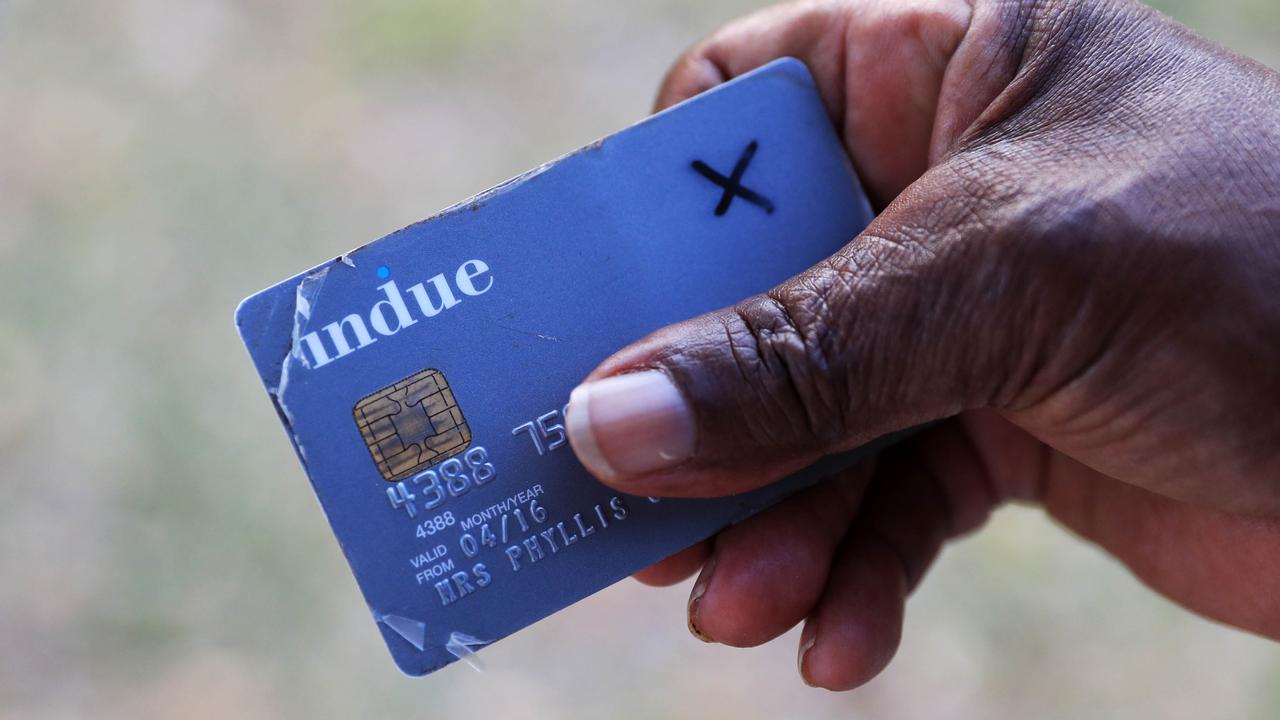
This week, women leaders who helped police investigate pedophiles in Roebourne told Ms McGurk they were apprehensive that if a cashless debit card was introduced, they would be hassled by drinkers for their money. As seniors, they are exempt from the card but even if they opted in, they would still receive a cash portion of about $80 a fortnight.
The senior women, who care for other people’s children, told Ms McGurk that alcohol was a serious problem. They raised the prospect of restrictions at bottleshops in the region, which may be politically unpopular as the closest licensed premises to Roebourne are in the towns of Wickham and Karratha, where thousands of miners live.
Ms McGurk said the women told her she was the sixth minister to visit “and they just wish someone would listen”. “That seemed a reasonable comment ... we do need to have a conversation about alcohol restrictions,” she said.
She will soon reveal more details of the WA Labor government’s plan to help Roebourne leaders reform and “heal” their community, to be headed by Premier Mark McGowan.
The government’s Roebourne plan includes streamlining a network of duplicating or ineffective services.
In 2014, the Barnett government found Roebourne was an example of how an abundance of government services does not mean results — the town had 206 services and 63 service providers and government spent an average $58,719 a year on each resident.

To join the conversation, please log in. Don't have an account? Register
Join the conversation, you are commenting as Logout