Gap deal to get kids back home
Australia will commit to radically reduce the number of Aboriginal and Torres Strait Islander children removed from parents.


Australia will commit to radically reduce the number of Aboriginal and Torres Strait Islander children removed from parents as part of the final national agreement on Closing the Gap, pledging to almost halve the number of indigenous kids in out-of-home care.
Final amendments to the national Closing the Gap agreement include a commitment to reduce the number of Indigenous children in out-of-home care by 45 per cent by 2031, according to documents obtained by The Australian. The decision appears not to have been unanimous, winning only majority support among the states and territories.
For every 1000 Indigenous children in Australia, 59.4 were in some form of out-of-home care, such as living with a foster carer or in a group home, in June 2018, according to the latest published data from the Australian Institute of Health and Welfare. The rate for non-Indigenous children was just 5.2 per cent.
Despite states such as Western Australia working on policies to support families to keep their children safe at home and make reunifications more likely for those whose children have been removed, the rate at which Indigenous children are removed from their parents in WA has never been higher.
The state opted not to legislate for permanent removals and instead chose to work with troubled parents to get their kids back. However, the proportion of children in out-of-home care in WA has passed 55 per cent — and yet only 6.8 per cent of the state’s child population is Indigenous.
An earlier draft of the Closing the Gap agreement included a commitment to reduce the over-representation of Aboriginal and Torres Strait Islander children removed from their parents, but it did not include a target figure.
Other last-minute changes to the agreement — which is expected to be signed by the commonwealth, states, territories, indigenous organisations and the Australian Local Government Association this week — include removing a target on violence against Indigenous women. Previously, the agreement aimed to reduce by 50 per cent the number of Aboriginal and Torres Strait Islander women and girls aged 15 and over who had experienced violence in the past year.
There is no numerical target in the final draft, but that will be revised within three months. States and territories have 12 months from the date they agree to the plan to submit their implementation strategies explaining how they intend to reach each target.
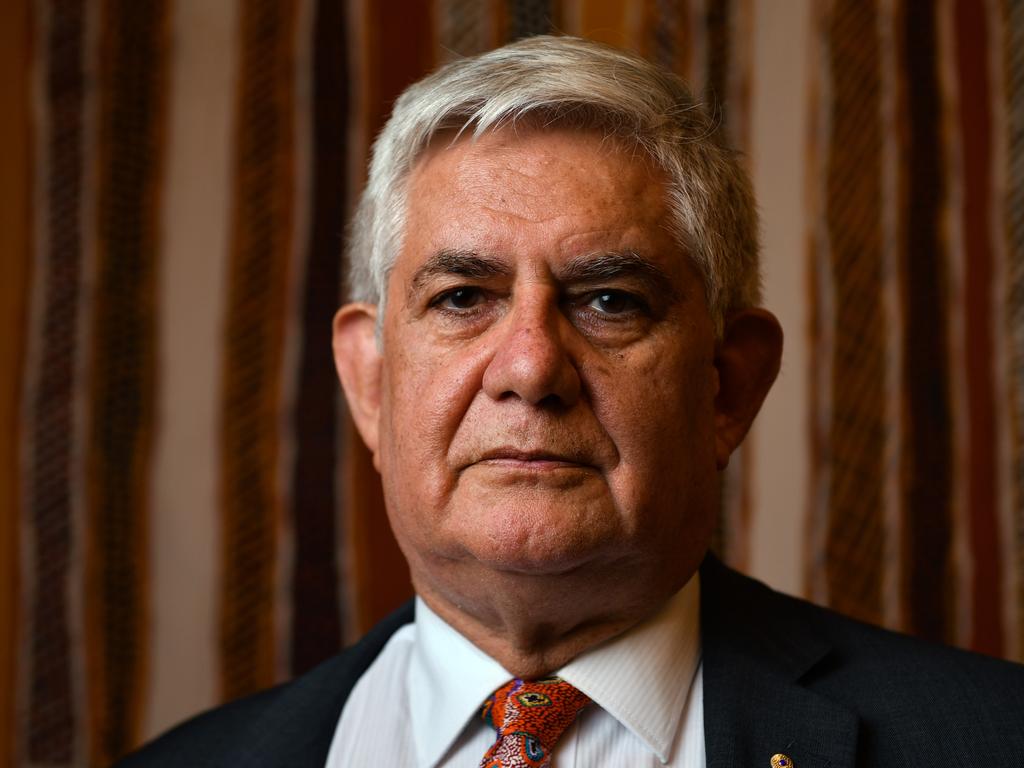
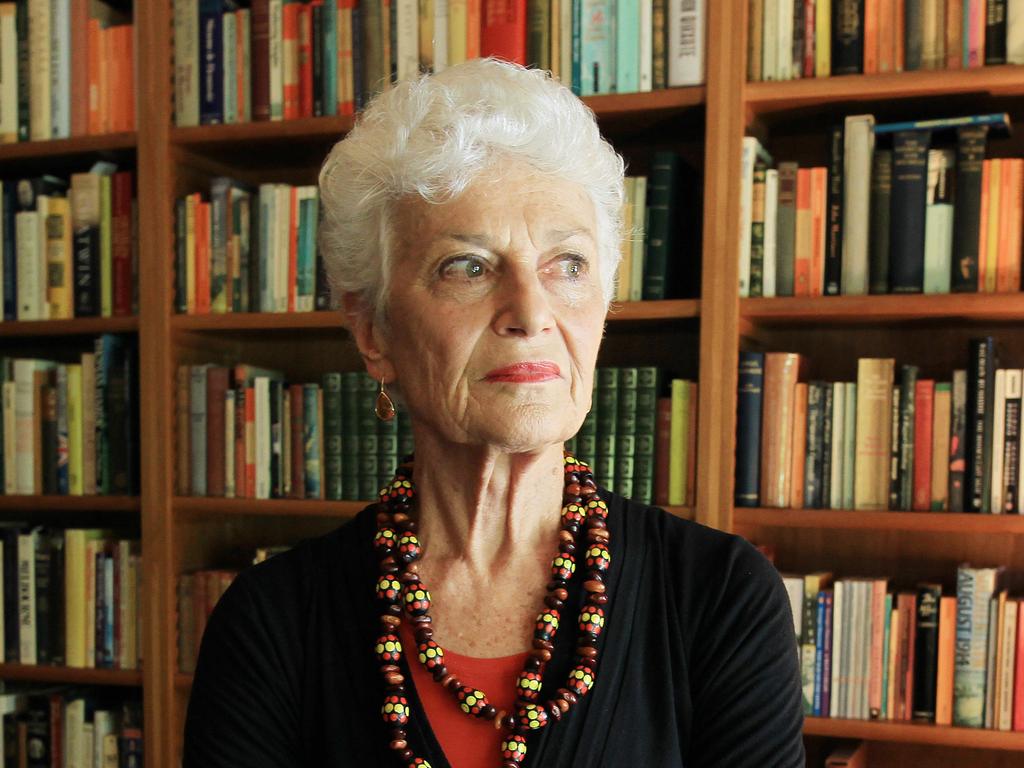
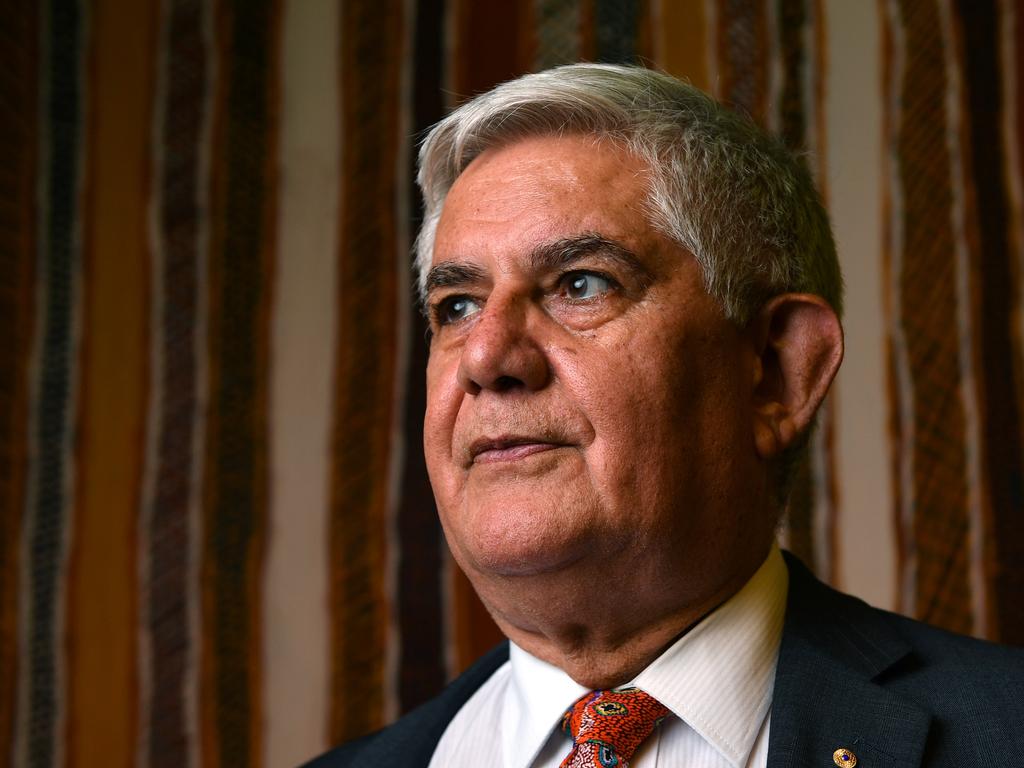
The agreement has been written in a collaborative process overseen by Indigenous Australians Minister Ken Wyatt and Pat Turner, convener of a coalition of 50 peak Indigenous organisations. They are both co-chairs of a joint council that will monitor the rollout of the agreement.
A key element of the new Closing the Gap agreement is that community-controlled Indigenous organisations will be helped to get ready to do the work that is currently being done by non-Indigenous organisations.
The commitment to reduce the proportion of Aboriginal and Torres Strait Islander children in care by almost half by 2031 is one of 16 “outcomes” in the agreement. Another commits all parties to a significant and sustained reduction in Indigenous suicides.
Some of the outcomes include specific target details, such as a pledge to reduce the Indigenous adult incarceration rate by at least 15 per cent among adults and at least 30 per cent among juveniles by 2031.