
Labor’s help to buy scheme is populist, reckless and inflationary

In the mid-90s housing was affordable – I bought my first home as a single woman – and migration in 1994 was 46,000 people a year. After this time, permanent migration slowly crept towards annual figures of around 100,000 per annum and then under former prime minister Kevin Rudd’s “Big Australia” dream, migration more than doubled and house prices surged. In the last two years we have had an influx of a million permanent migrants, creating a demand that can’t be controlled, and house prices have reached heights that have made homeownership unreachable for so many.
For rental properties, increased temporary migration and student visas have fuelled rental increases. Back in 1990-91, Australia offered approximately 35,000 student visas. Last year, 371,000 new students arrived on our shores, and the government announced an increase to student visas by a further 25,000 places. The majority of student visas transition to permanent visas, and we’ve created an expectation that will occur. If the government meaningfully and tangibly wants to help Australian first home buyers into a home, wants to make rent more affordable, the most responsible and efficient way to do this is to reduce temporary and permanent migration.

Rather than address demand, the government’s solution to provide a pathway for first home buyers is to implement a Help to Buy scheme, where young people can buy a house with 5 per cent deposit and taxpayers are on the hook for the remaining 15 per cent of a deposit to relieve buyers of mortgage insurance.
Mortgage insurance is a lot of money. For many of us when we bought our first homes, or perhaps even subsequent homes, we needed to pay mortgage insurance of some amount. It is designed to protect the mortgagor in the case of the mortgagee defaulting on the loan. Twenty per cent is calculated as the maximum expected decline on a property price, and, ultimately, it just safeguards the bank from losing money. Now, taxpayers will pick up the bill and will bear the burden of any loss from defaulted loans. Initially, this program was capped at 50,000 homes and only open to working Australians with individual earnings of $125,000 or $200,000 for a couple.
Initially, the house purchase price was modest which limited the risk for taxpayers in the event of mortgage default. Now, the government’s throwing caution to the wind and has lifted the house purchase prices by more than 65 per cent while abandoning caps on the number of applicants and no caps on income. In my nine plus years in the parliament, this is the most populist, reckless and inflationary public policy program I have witnessed.
Without a doubt, this program will further increase house prices because the demand it will create from desperate prospective first home buyers will simply lift the default entry house price to the top of the house price cap in each area. It’s simple economics that this program, coupled with record migration, will catastrophically increase house prices.
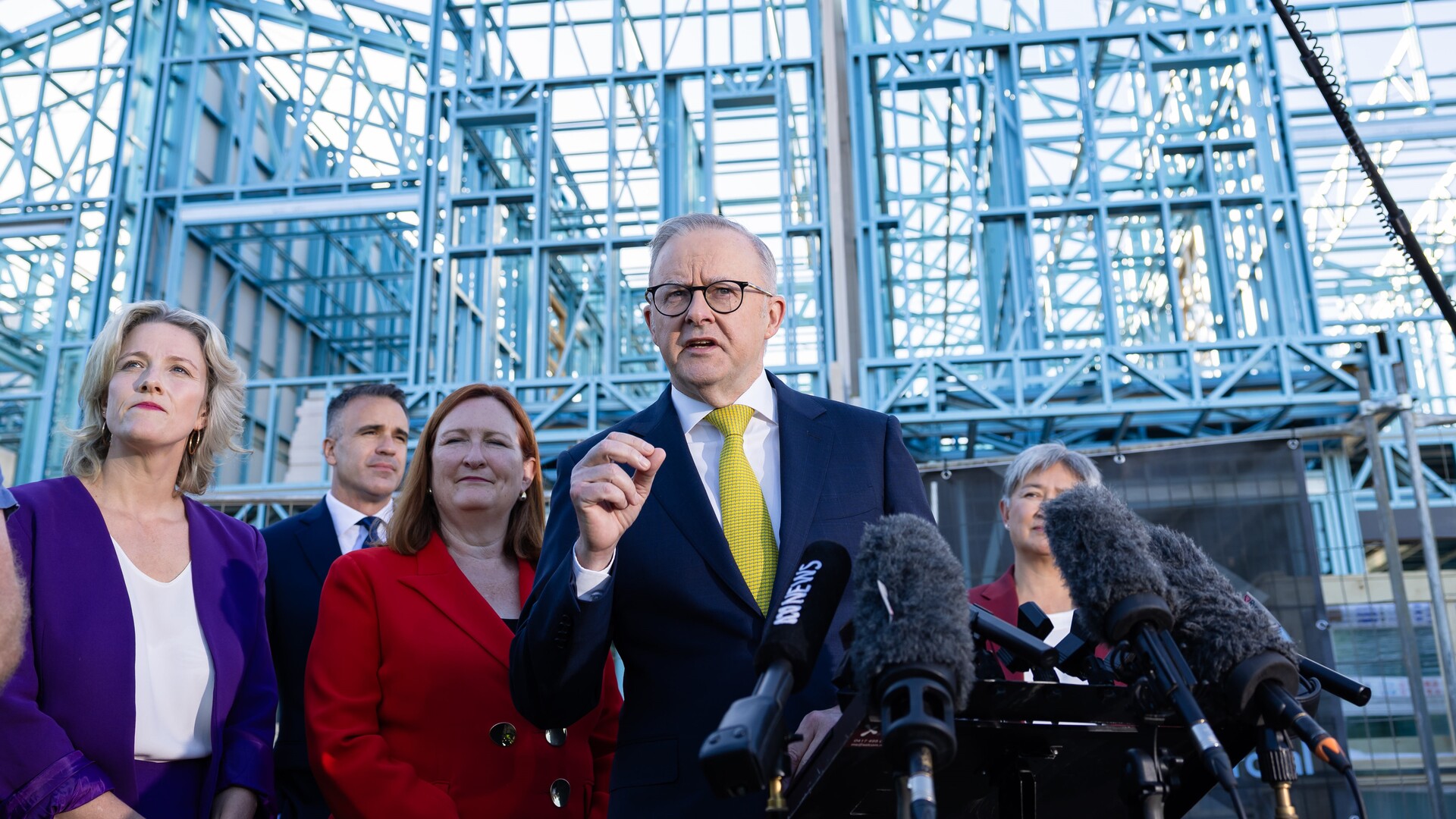
In NSW, the new cap is $1.5m, a $600,000 or 66 per cent increase. In greater metropolitan South Australia, the cap will lift from $600,000 to $900,000, inevitably making $900,000 the entry level home default price as there will be so many buyers in the market up to that price.
We all want the dream of home ownership to be a reality, but this could very quickly turn into a nightmare. Say a couple in NSW buys a $1,500,000 home by saving the 5 per cent deposit of $75,000, the taxpayer guarantees $225,000 and a $1.2m mortgage at 6 per cent over 40 years means monthly payments of approximately $7193 a month, with total interest paid of roughly $2.25m. Sickness or job loss, or interest rate rises, will just catch young people and first home buyers desperately wanting to own their own home in a trap, and they will not be able to get out of it.
There is a name for loans that are given to people who can’t afford them. They’re called subprime mortgages, and they caused the global financial crisis back in 2007-08. History is repeating now with government sanctioned, taxpayer-supported subprime lending. Many people have short memories, but the global financial crisis triggered by the Fannie Mae/Freddie Mac subprime loans that collapsed under the weight of risky mortgage-backed securities burst the US housing bubble and sent shockwaves right across the world. Whole neighbourhoods defaulted, boarded up with unsellable homes.
This unfettered, inflationary Help to Buy policy will have real world consequences for us all, interest rates will likely not fall in fact there is a real prospect they will increase – if that happens, heaven help us all.
Rebekha Sharkie is the federal member for Mayo.


We all want our children to be able to buy their first home. We know from home ownership flows stability and many of us hope wedding bells and grandchildren thereafter. There is no doubt that the expectation of home ownership has diminished in just one generation. House prices have gone from around three times the annual household income to more than ten times the annual income. How has this happened? Put simply, policies that have constantly sat on the demand side of the ledger and not the supply side have hyper inflated Australia’s housing market.