
Rooftop solar cuts bills and boosts property value
From upfront price tags to long-term savings and recycling, here's how solar stacks up for everyday households.

Australian households with rooftop solar are not only saving hundreds of dollars on electricity bills, but adding thousands of dollars to property values.
In 2023-24 the median annual electricity bill for an Australian household was $1565.
Households with rooftop solar paid about 18 per cent less.
Add a home battery, and those savings jump to around 40 per cent, bringing the average bill down to just over $900.
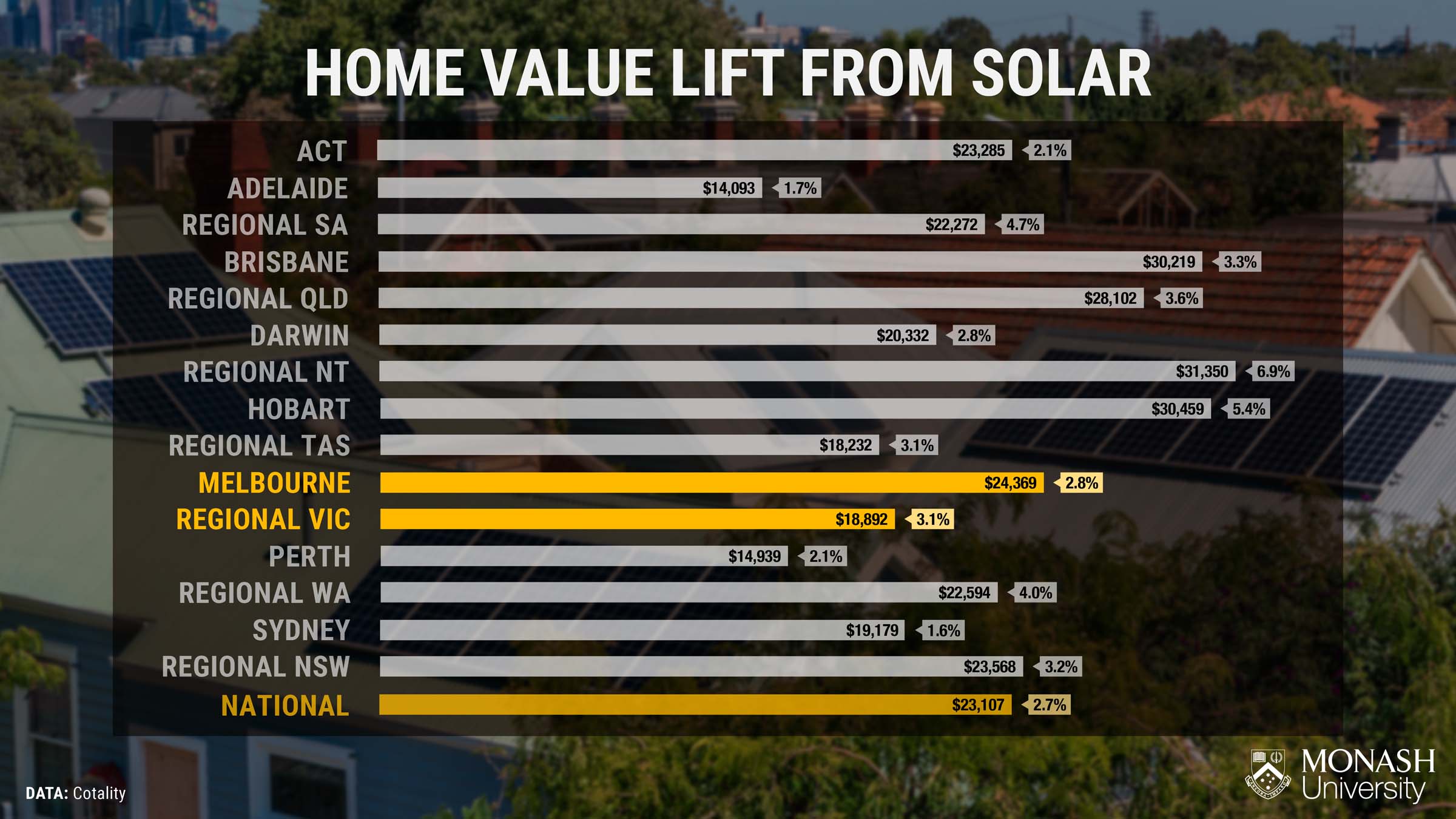
Solar is also lifting property values, with panel-topped homes estimated to sell for between 1.6 per cent and 6.9 per cent more on average.
In Melbourne solar power systems add an average of $24,369 to the property value, while in regional Victoria that sits at around $18,892.
Behind those savings is a simple piece of tech
In just one hour, the Earth receives enough sunlight to power the world for an entire year.
Rooftop solar captures that energy and turns it into electricity using photovoltaic (PV) cells made from silicon.
Importantly, solar panels don't need heat, they need light.
That means they continue generating energy even on cloudy days, just at a lower level.
A typical rooftop solar system includes:
- Solar panels to capture sunlight
- An inverter to convert electricity into usable power
- A charge controller to regulate electricity flow
- Optional battery storage to store excess power for later use
How affordable is going solar?
The upfront cost of solar has fallen sharply over the past decade.
Between 2013 and 2020, the cost of installing a typical household system dropped by about 67 per cent, even before government rebates.
But what you pay ultimately depends on the system size, the quality of the panels and inverter, your roof type and how complex the installation is, whether switchboard upgrades are needed, and whether you choose to add a battery.
Government rebates continue to play a major role in keeping upfront costs down.
These rebates lower slightly each year, as support shifts towards encouraging battery uptake.
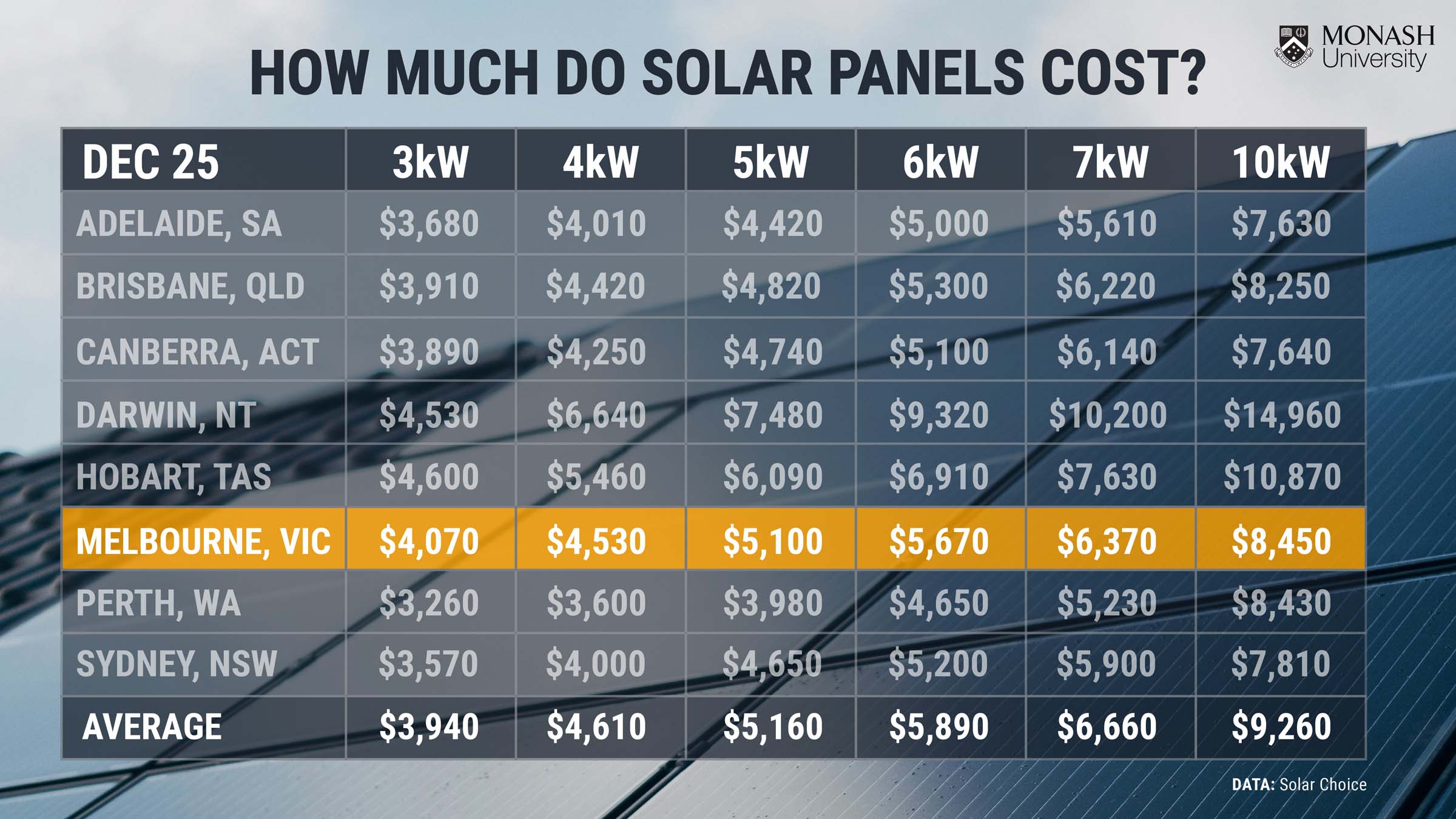
In Melbourne for example, the average cost of installation sits between $4070 for a 3kW system and $8450 for a 10kW system.
Most households will have a system sitting in the middle of that range.
Reliability of modern solar systems
Modern solar systems are built to last.
Most good quality panels come with product warranties of 10-15 years, with some offering 25 years or more.
They also typically come with performance warranties guaranteeing at least 80 per cent output for up to 25 years, and installation warranties of around five years.
With basic cleaning and occasional inspections, many systems will operate effectively for 20 to 30 years.
And if performance drops, installers can usually pinpoint faulty inverters or wiring without having to replace the entire system.
What happens when solar panels reach the end of their life?
By 2035, Australia is expected to have generated around 1.1 million tonnes of solar panel waste.
That sounds like a lot, but most of it doesn't have to end up as waste at all.
Around 95 per cent of a standard solar panel is recyclable, including the aluminium frame, glass, silicon and valuable metals such as silver and copper.
In several states, panels are now classified as e-waste and banned from landfill, meaning installers must ensure they are collected and properly processed.
Australia's recycling capacity is still scaling up, but specialist facilities can now recover up to 90 per cent of a panel's materials.
Each panel contains around $22 worth of reusable materials, and by 2035 that could add up to more than $1 billion in recoverable value – turning old panels into a financial opportunity for Australia's recycling sector.
With power prices expected to remain high, rooftop solar is one of the practical ways households can lower their bills while adding value to their home.
If you're weighing up your options, independent guides such as the Solar Consumer Guide outline system choices, costs and how to find a reputable installer.
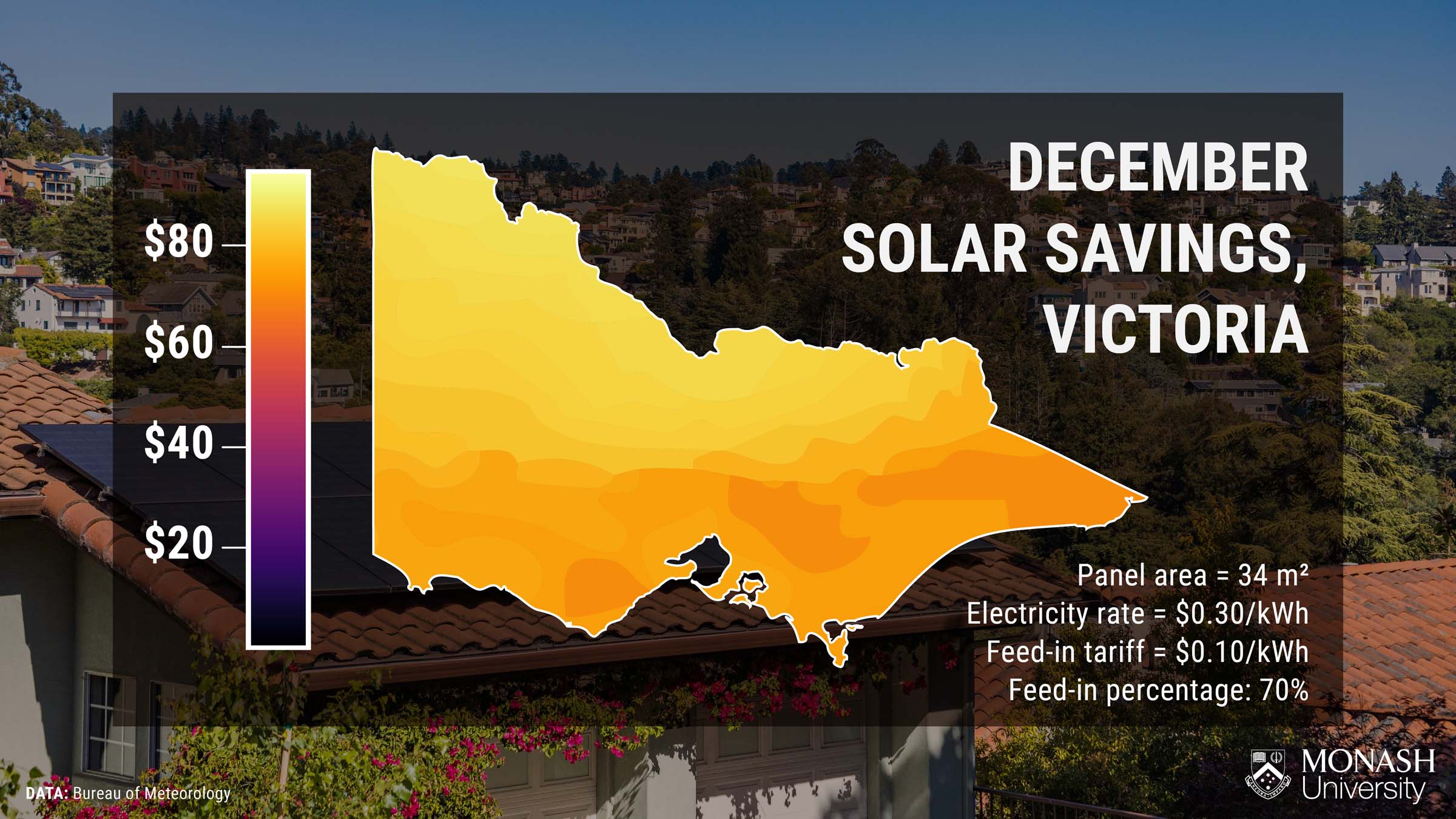
And if you already have panels on the roof, December's longer, sunnier days could mean some nice savings this month.
Want more information on how your climate is changing? Check out the last article in this series.
Amelia Pearson is the Operations Manager at the Monash Climate Change Communication Research Hub.
This column is part of a collaboration between Monash University and News Corp to deliver hyperlocal weather and climate information.

Everybody appearing in civil matters at Ringwood Magistrates’ Court, Friday, December 5
Here is a list of civil matters listed at Ringwood Magistrates' Court on Friday.

Everybody appearing at Ringwood Magistrates’ Court, Friday, December 5
Here is a list of matters listed at Ringwood Magistrates' Court on Friday.