
'Angelene battled alcohol dependence after fertility struggles. Then came news she thought impossible'
"I had hoped that after diagnosis, I wouldn’t have to keep saying my son was exposed to alcohol... especially in front of him."

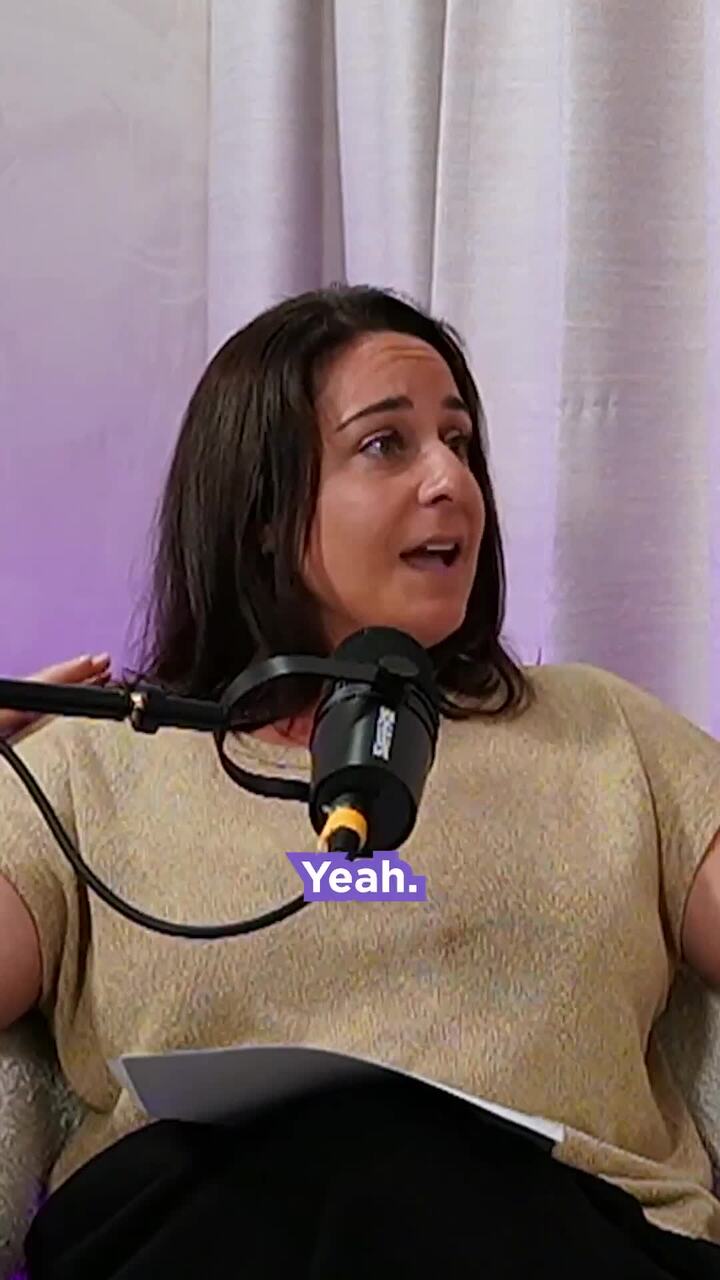
Across Australia, in every classroom, there’s a child silently battling a lifelong challenge.
Their struggles are often hidden, their needs too often misunderstood.
This is the reality for one in 28 Australians living with Fetal Alcohol Spectrum Disorder (FASD).
For Angelene Bruce, a mum and advocate, this reality is deeply personal.
Her 16-year-old son, her “miracle baby”, has had a journey shaped by the invisible challenges of FASD.
“The mother’s guilt was intense. All mothers’ guilt is intense, but this was amplified immeasurably every time I looked at this amazing and vulnerable little boy,” Angelene told Kidspot.

Want to join the family? Sign up to our Kidspot newsletter for more stories like this.
"Elation quickly turned to horror"
That guilt stemmed from the fact that she had no idea he was there, growing and already thriving. She had been told by doctors she had a zero per cent chance of falling pregnant naturally.
“I self-medicated with alcohol and quickly became physically dependent upon it again after months of recovery,” she explained.
“I found out that I was pregnant around six months after being told I could never be. Elation quickly turned to horror at the amount of alcohol this little miracle had already been exposed to, and that I was still physically alcohol dependent.”
From early signs like difficulty settling and sleeping to navigating a world often unprepared to meet his needs, Angelene has fought tirelessly to ensure he thrives.
At the age of four, he was officially diagnosed with FASD, after a misdiagnosis of another neurodiversity.
While the diagnosis brought clarity, it also revealed a major challenge for her. She struggled to find professionals who understood the condition and interventions.
For example, during her son’s first occupational therapy session, the lack of FASD-specific approaches led to a meltdown: "My usually relatively chill little guy flipped a chair, ran out, and slammed the door... hard!"
RELATED: Mum urges people to look, not touch babies in public
Fortunately, things improved significantly once the team committed to understanding the disability better.
School has also been a rollercoaster. Primary school years were “mostly okay” aside from dysregulation here and there.
In year three, after a course of school refusal, he was reenrolled into a school that better suited his needs. A school that didn’t expect him to mask his symptoms and then also handle the tiresome task of homework.
But the smooth sailing didn’t last.
“Unfortunately, high school was a whole new monumental challenge,” she said.
Currently, he is attending school virtually; however, from next year, he will be attending in person for his final years.
“The school is equipped to accommodate FASD, but that’s four different schools and relentless advocacy for our child just to get through school,” she shared.
For Angelene, the stigma has been one of the most difficult challenges to overcome.
"I decided to tell the truth at my first OBGYN appointment after a blood test confirmed my pregnancy," Angelene recalled.
"I was met with blunt stigma and left that appointment feeling like a failed, empty vessel, with no referral for support."
She was so rattled that she didn’t disclose the truth to another health professional for the remainder of her pregnancy.
RELATED: Mum forced to deliver baby standing up after ignored request
"Prenatal alcohol exposure is never malicious"
Even throughout the course of his infancy, the stigma followed.
Angelene often found herself dealing with the painful process of having to disclose his prenatal alcohol exposure repeatedly to access the right supports.
"I had hoped that after diagnosis, I wouldn’t have to keep saying my son was exposed to alcohol... especially in front of him," she said.
She’s also faced harmful and hurtful assumptions. People concluded that she was reckless while pregnant.
"Prenatal alcohol exposure is never malicious," Angelene emphasised.
"Wherever alcohol goes, FASD will follow, and we need to be mindful of that as a whole society here in Australia."
Now she wants other women to know what she didn’t know then.
"I genuinely don’t want any other women or families to feel as alone as I did,” she explained.
Considering the stats, many parents walk behind her.
According to a new study from the University of Sydney, one in 28 Aussies lives with FASD. That accounts for one child in every classroom or two adults on a bus during peak hour.
“Despite being the nation’s leading non-genetic, lifelong developmental disability, most Australian psychologists, social workers, speech therapists and occupational therapists have not been trained to recognise or support people with FASD. This contributes to high rates of underdiagnosis,” Sophie Harrington, CEO, National Organisation for Fetal Alcohol Spectrum Disorders, explains.
“The human cost is high… repeated school suspensions, unmet needs in classrooms, and parents unfairly judged for their children’s behaviours. Too often, they feel unheard, misunderstood, and dismissed.”

The way society sees those living with it needs to change in the view of experts and parents.
There are no limitations. Angelene’s son is living proof.
The 16-year-old is hitting milestones.
“He has just passed his learner’s permit!” Angelene shared.
Angelene also wants mothers who suspect it is in their child to say the quiet part out loud.
“We are human and we love our kids more than anything in the world,” she reassured.
“If you think your child was prenatally exposed to alcohol, it’s okay to say. It really is.”
Parents who suspect their child of having FASD should contact NOFASD Australia as soon as possible via our Helpline, which is available 7 days a week on 1 800 860 613.
More Coverage


Originally published as 'Angelene battled alcohol dependence after fertility struggles. Then came news she thought impossible'

