
New artificial intelligence eye test to help people with diabetes
This new AI smart camera has been shown to be incredibly accurate at picking up eye problems linked to this common condition. It can be done in minutes while you’re at the GP.

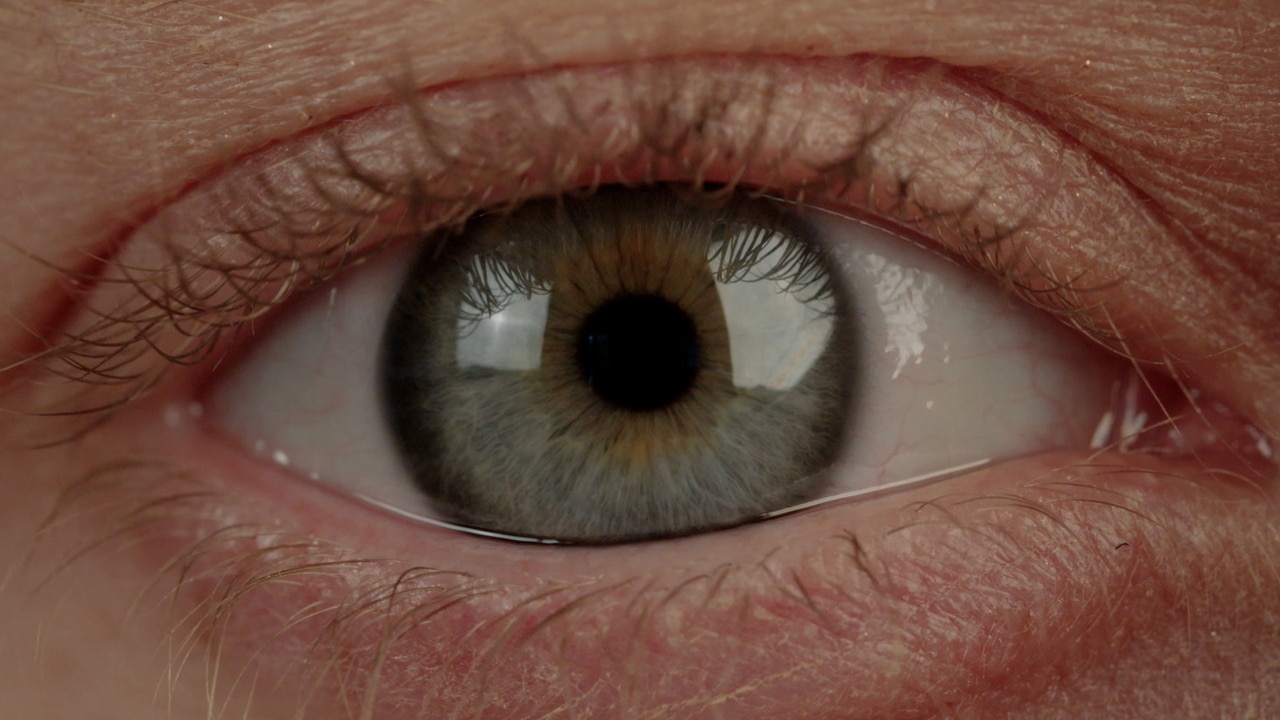
Eye disease caused by diabetes can accurately be detected using an AI smart camera that scans the eye in minutes while patients sit in a GP’s waiting room.
Around 450,000 Australian adults are at risk of going blind or having impaired vision because of diabetes but many are unaware because they don’t connect eye disease with the condition.
A new Australian trial shows the AI camera, about the size of a projector that prompts patients how to do a scan themselves, is 93 per cent accurate compared to an eye specialist.
The two-year study was published in the British Journal of Ophthalmology and led by the Centre for Eye Research Australia (CERA), the University of Melbourne and the Hong Kong Polytechnic University.

Senior researcher Lisa Zhuoting Zhu is head of the ophthalmic epidemiology unit at CERA.
“Around 1.3 million Australians are living with diabetes and one in three are at high risk of losing their sight because of diabetic eye disease,” Professor Zhu said.
“The good news is almost 90 per cent of diabetes-related vision loss can be prevented if it is picked up early and treated.
“The bad news is even in developed countries like Australia up to half of diabetic eye disease remains undiagnosed.”
Professor Zhu led the research with University of Melbourne PhD student Sanil Joseph and Professor Mingguang He from the Hong Kong Polytechnic University.
The team said 860 people with diabetes were part of the study. They used an automated portable retinal camera, powered by an AI algorithm, to take photos of their own eyes.
The participants then received a QR code linking to the results to take into their appointment and those with signs of disease were referred to an eye care specialist.
Professor Zhu said people with diabetes should have their eyes checked at least every two years for eye disease as fluctuations in glucose levels can affect retinal vessels and cause bleeding.

“Access is a key barrier, especially for people living in rural and remote areas, as well as Aboriginal communities in Australia who may need to travel long distances to get the eyes checked,” she said.
“Other barriers like the cost, busy schedules and the lack of awareness of the importance of the eye check means they often fall to the bottom of to-do lists.
“Also, many people (with diabetes) don’t have symptoms so they may not prioritise these checks.”
She said the importance of this trial was showing how AI could help with access and early diagnosis.

“Usually 80 per cent of Australians will visit GP once a year and those with diabetes will go to diabetes clinics … we can do the eye check there, while they are waiting.”
Professor Zhu said the AI-powered smart camera would save time and money if rolled out across the country, similar to how Singapore was already doing.
“It is using AI to screen diabetic eye disease at a national level and Singapore has set a really great example for us to adopt this new technology,” she said.
“We are now focused on implementation research … and scaling up access across Australia. Our vision is that no one misses out.”
More Coverage

Originally published as New artificial intelligence eye test to help people with diabetes

Olivia was drinking 16 bottles of water a day before this diagnosis
