Chilly winters could become a thing of the past in Springfield, according to Bureau of Meteorology data
As we enter winter, Dr Christa Pudmenzky explains how Springfield's June climate is changing. Plus, what are winter heatwaves and why are they dangerous?
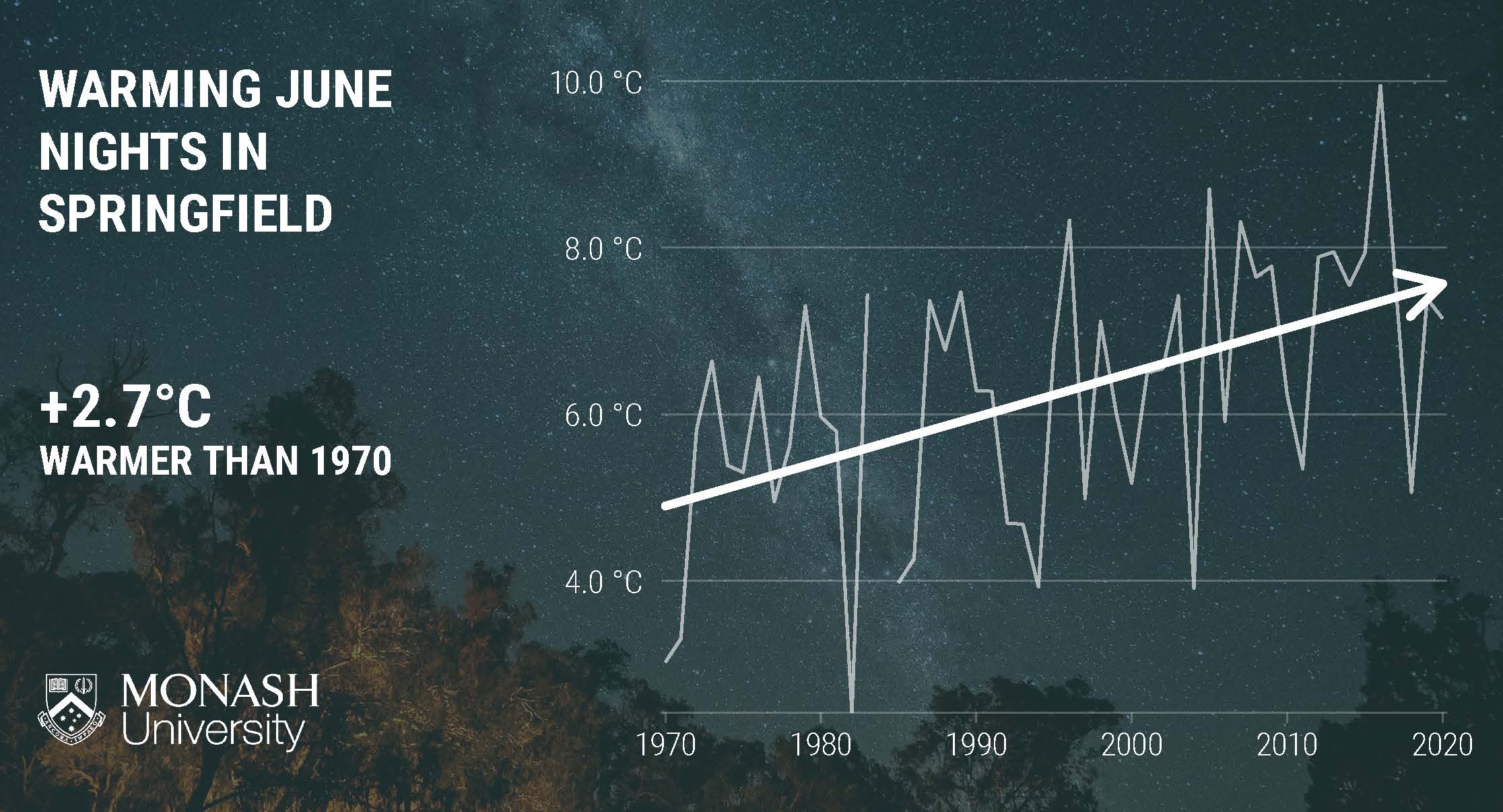
DESPITE the frosty temperatures this week, Bureau of Meteorology data shows chilly winter nights could become a thing of the past in Springfield.
During June, the average overnight temperature sits close to seven degrees - almost three degrees warmer than it was in the early 1970s.
These changes aren't just occurring locally - temperatures across Australia are increasing at an alarming rate.
So what does this mean?
While many welcome a bout of warmer weather during the colder months, winter heatwaves are becoming more frequent and are particularly harmful to our environment.
These 'warm spells' lengthen our bushfire season by drying out leaf litter, fallen bark and other fuel.
Shifts in temperature also disrupt the growth cycle of staple crops like barley and wheat, reducing their yield.
Changes in the climate also affect our communities.
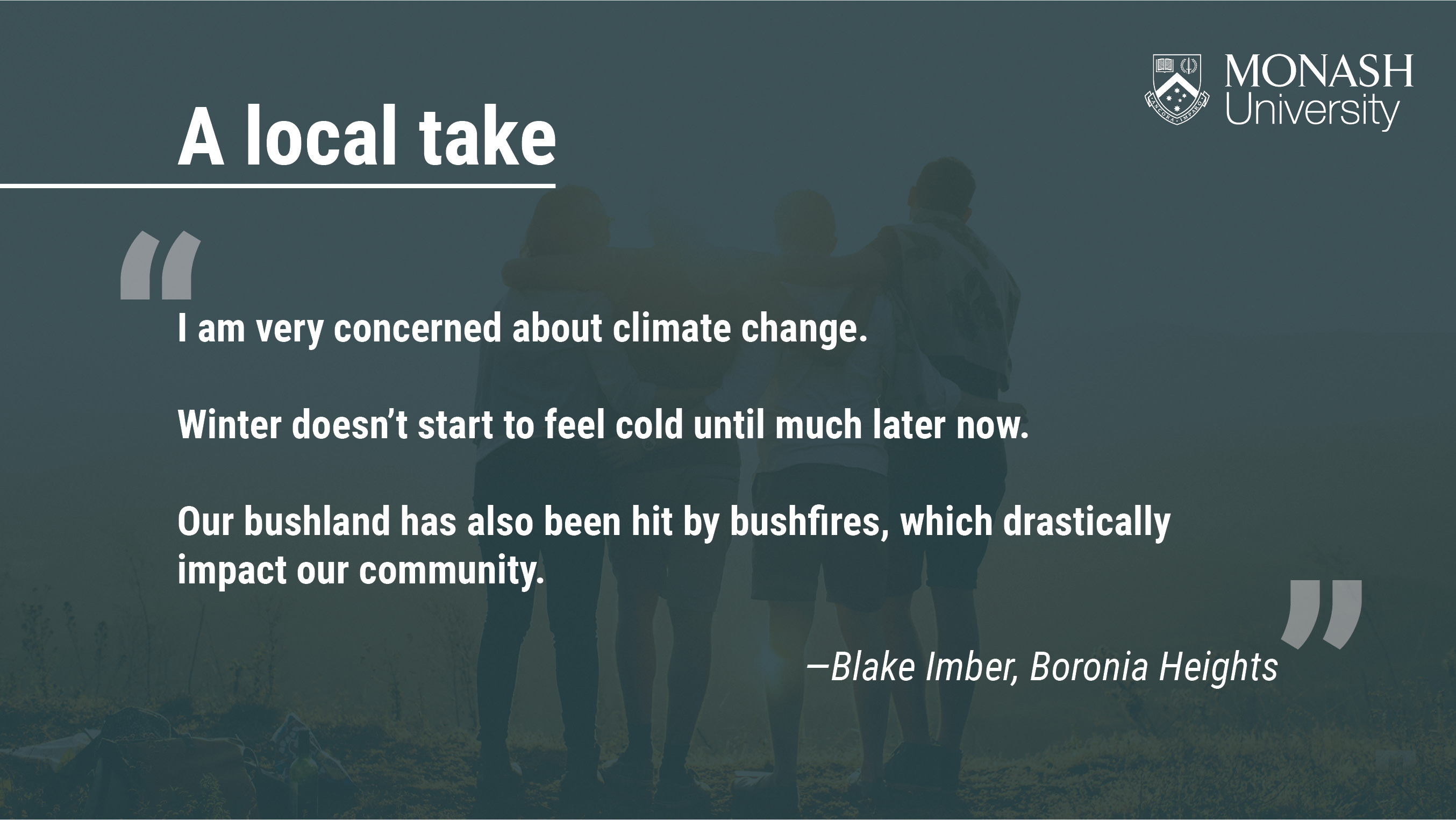
Hear from Boronia Heights resident Blake Imber:
Want more information on how your climate is changing? Check out the last article in this series.
Dr Christa Pudmenzky is a climate scientist at the University of Southern Queensland.
This column is part of a collaboration between Monash University and News Corp to deliver hyperlocal weather and climate information.