
Snake season warning: Shock stats from Qld hospitals revealed
Snake season has arrived with the South West Hospital and Health Service revealing the shocking number of people presenting with bites, and how you and your family can stay safe.
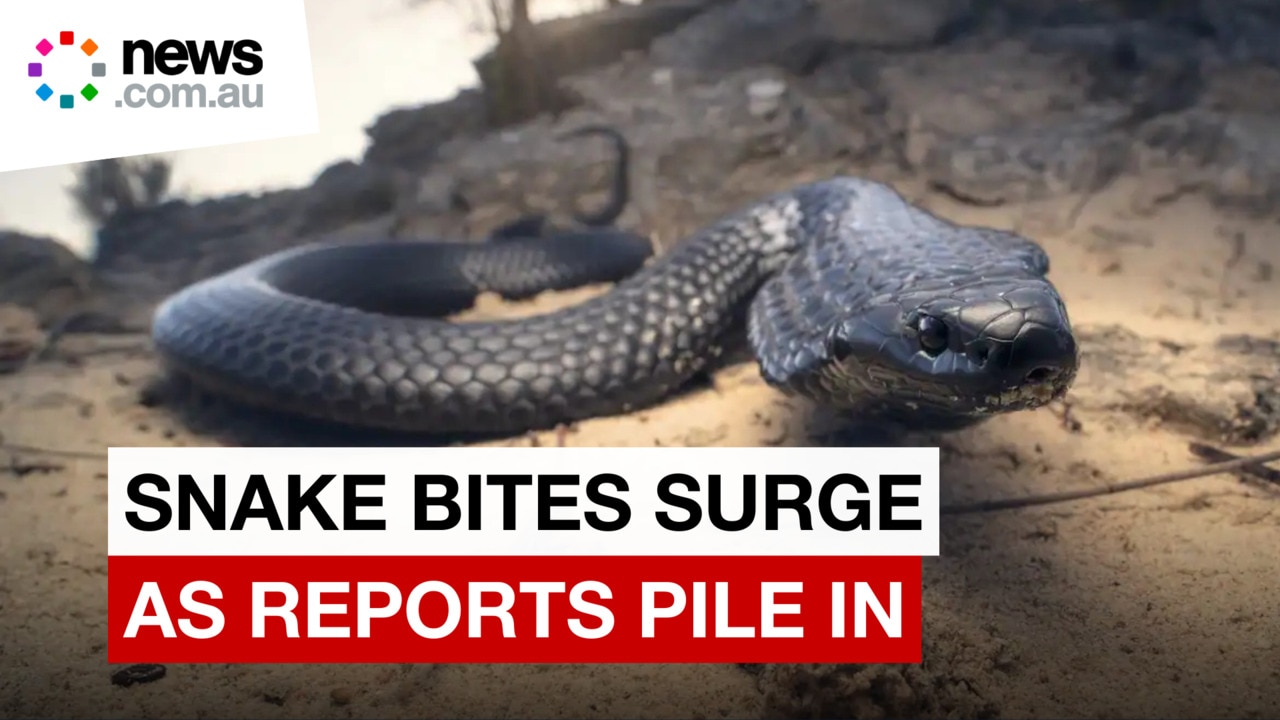
The South West Hospital and Health Service is urging locals to be aware of snake risks heading into summer with 54 presentations for suspected bites to emergency departments so far this year.
Of the 54 emergency department presentations to date, which is six more than the same period last year, 36 were admitted to hospital for further investigation.
In six of these admissions, the patient was found to have received envenomation, while 30 had no envenomation.
The hospitals with the largest number of ED presentations for snake bite for the year are Roma Hospital that treated 20, St George Hospital that had 8, Cunnamulla Multipurpose Health Service and Mungindi MPHS that both had six and the Charleville Hospital that had five.

South West Hospital and Health Service executive director of medical services Dr Carl De Wet said the region had now officially entered snake season.
“While snakes can be encountered throughout the year in Queensland, they are generally more active in the summer months that we are now entering,” he said.
“As Queensland is such a big state, we have pretty much all the venomous types of snakes here.
“For anyone who is bitten by a snake, the safest thing to do is assume that they have been bitten by a venomous species and perform first aid immediately.”
People who have received a suspected snake bite are urged to call triple-0 for an ambulance for transport to the emergency department, stay calm and still, apply a pressure immobilisation bandage over the bite site, and then cover the entire limb. Immobilise the limb using a splint, ensure not eat anything and drink only non-alcoholic liquids.

Dr Carl De Wet urged people to remain safe through a series of easy steps.
“All South West Health emergency departments and Queensland Ambulance Service officers are well equipped and prepared to care for patients who present after a snake bite, or suspected snake bite,” he said.
“If you are in an area with poor communication and cannot call triple-0, you should always present to the nearest health facility or emergency department to get fully assessed.
“Anyone bitten by a snake should not try to catch the snake or bring it to the ED with them. It is unnecessary and we don’t need to know the species of the snake to treat you.
“Most snake bites can be avoided through simple precautions such as wearing protective and heavy footwear while walking through bush or calling a qualified snake catcher to remove any snakes spotted around the house or yard.”
More information on managing snake bites can be found here and here.


