
The ethics surrounding kidfluencers like Australia’s Pixie Curtis have come under attack – her mum Roxy Jacenko responds
Posting and boasting has made Australia’s ultimate kidfluencer, Pixie Curtis, a lot of money. But is her mum Roxy happy about it?


The ethics of children “working it for the ‘gram” have been raised by Australian researchers looking at the impact of so-called kidfluencers such as Pixie Curtis.
Pixie, 13, is the daughter of Sydney PR guru and socialite Roxy Jacenko, and made her debut on Instagram as a toddler. Since then has clocked up an impressive 5662 posts on her account, which has 182,000 followers.
Although she retired as an official brand promoter and influencer at the age of 11, recent posts show Pixie skiing in France, swimming in Greece and Italy, enjoying fancy hotels in Paris, poolside in the Maldives and shopping at Hermes and Dior.
She continues to promote a range of brands, such as workout gear, bags and beauty products and has paid partnerships with Bloch Active, Belkin and Fila tennis gear.

Researchers Catherine Archer from Edith Cowan University and Kate Mirandilla Delmo from the University of Technology Sydney have dubbed children such as Pixie as “human brands” and “brand extensions” of their parents.
In a recent academic paper, they argue child influencers are often used to promote brands for children and even adults without disclosure of payment.
“Our analysis also raises concerns of the children as workers and raises the question of labour laws for children,” they say.
They said that Australia, like other countries, does not “have clear guidelines on how kidfluencers’ labour is monetised, there is little known about legal parameters that inform and protect children’s participation in this multibillion-dollar industry”.

Dr Archer and Dr Delmo looked at hundreds of posts from Pixie and another influencer, Scarlet Snow Belo, and said such work “raises significant legal and ethical concerns, including the commodification of the child, undeclared advertising, and child labour“.
“It is apparent that some children and their parents can make significant sums of money from the children’s ‘playbour’ (labour), and the media landscape’s changes have facilitated this with little regulation.
“As some of the kidfluencers come of age and reflect on their time growing up in the spotlight, they will have a chance to speak of their time as Instafamous celebrities,” they said.
Belo, a child star from the Philippines, has five million followers on Instagram at the age of 10. Her mother is Vicki Belo, an entrepreneur, doctor and media personality.
One of the first kidfluencers, American Ryan Kaji, became the world’s youngest millionaire at the age of six thanks to the runaway success of his toy review YouTube channel – but as he grew up, fans speculated about his happiness and mental health.
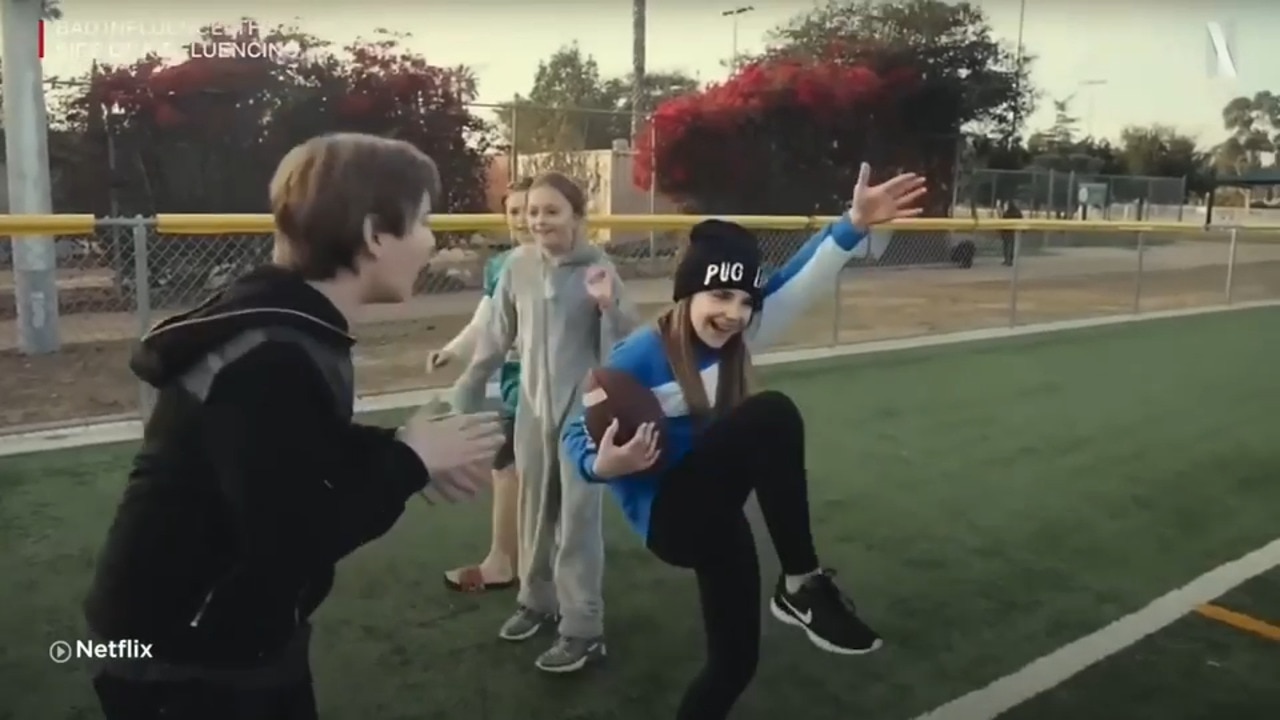

But Roxy Jacenko told News Corp in a written statement that Pixie “hung those shoes up long ago”.
“She wanted to focus on high school instead of spending afternoons creating content which
I fully support – reading and writing takes precedence over Insta-fame and I am pleased she made that decision over financial benefit,” she said.
“Occasionally Pixie will post for friends and families’ brands, or brands she genuinely uses and loves, such as Bath & Body Works, and it’s ALWAYS disclosed as per the government guidelines (you will see the post noting ‘gifted’).
“Another post which was a paid arrangement – BELKIN is also noted on the post,” she said.
“As a talent manager, running an influencer agency at the forefront of the industry, we pride ourselves on transparency. And this extends to my own children relating to disclosure.”

Cyber safety expert Susan McLean said she had serious concerns about the implications of putting children on social media.
Got a story tip or feedback? Email education@news.com.au

